Over the past year, major platforms such as YouTube have tightened restrictions on gambling-related content, leaving several poker creators facing suspensions, strikes, and even permanent bans.
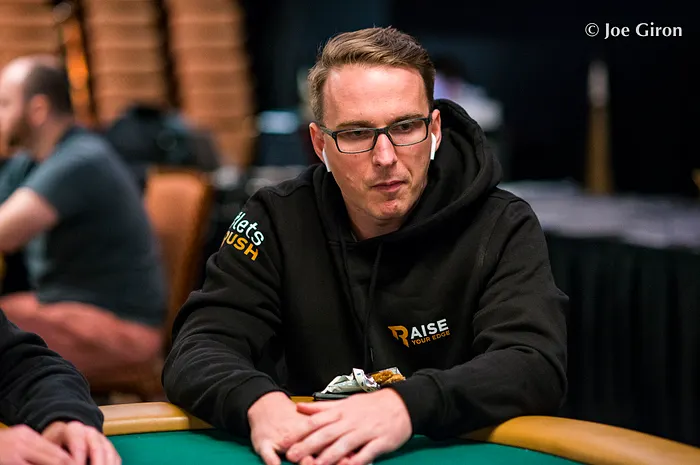
Now, high-stakes pro and content creator Benjamin Rolle—better known as “bencb”—is advising affected creators to escalate matters beyond customer support and consider legal representation instead.
In a detailed post shared on X, Rolle argued that attempting to resolve issues through platform support channels is often ineffective. “Talking to support is a waste of time,” he wrote, adding that in his experience, “working with law firms has done the job.”
When Support Fails, Legal Letters Get Attention
Numerous poker YouTubers have been swept up in recent age-restriction and gambling content crackdowns. Even Brad Owen, one of the most-followed poker vloggers in the United States with nearly 800,000 subscribers, briefly lost access to his channel before it was reinstated.
For creators operating at that scale, even a short ban can translate into significant financial losses. Others, however, have not been as fortunate and continue to battle account restrictions or removed content across platforms like Facebook and Instagram.
Rolle says he has personally dealt with “several problems” involving his accounts and found little success through traditional support channels. His solution: formal legal action.
“There are law firms that are specialised in dealing with this matter,” Rolle explained. “Until these social media companies have a letter from a lawyer on their table, they won’t care.”
According to Rolle, such representation isn’t necessarily prohibitive in cost, estimating fees between €500 and €2,000 per case—an expense he described as an “unavoidable cost” in today’s gambling content landscape.
A Proven Strategy—But Mostly in Europe
Rolle, who captured the WSOP Online Main Event title on GGPoker for $3.9 million last September, clarified that he is not offering formal legal advice—only sharing personal experience.
He claims that legal pressure proved effective with Instagram and Facebook, both of which eventually lifted restrictions on his accounts. YouTube, however, remains more complicated.
Rolle pointed to European Union regulations that, in his view, require platforms to provide specific explanations for strikes or restrictions—something he says YouTube often fails to do adequately. Generic references to “regulated goods” with vague timestamps, he noted, may not satisfy EU legal standards.
Still, the approach may not translate seamlessly outside Europe.
Different Rules in the United States
Todd Witteles of PokerFraudAlert responded publicly, highlighting the legal contrast from an American standpoint. He noted that U.S. law surrounding social media platform accountability remains underdeveloped compared to the EU.
While he acknowledged that attorney correspondence typically commands more attention than standard support tickets, he cautioned that strategies successful under EU law may not yield the same results in the United States.
A Growing Tension in the Poker World
As platforms continue tightening their policies around gambling-related material, poker creators find themselves navigating increasingly murky waters. For some, legal consultation may offer a viable path to reinstatement—particularly within jurisdictions offering stronger digital accountability protections.
Whether that approach becomes common practice remains to be seen. But as enforcement intensifies, one thing is clear: the poker community is no longer quietly accepting content restrictions without a fight.